

TL;DR
- The best to visit Muktinath is on June to July
- This is a moderate trekking route
- The cost to vist Muktinath is around 100 USD per day.
Introduction to Muktinath Nepal
Muktinath is one of the most sacred pilgrimage destinations in Nepal, located high in the Himalayas. It is famous for its spiritual importance, natural beauty, and mysterious elements that attract both pilgrims and travelers from around the world.
Muktinath in Nepal, holds deep religious value for Hindus and Buddhists. It is believed to be a place of salvation and liberation (moksha). The combination of fire, water, earth, and air at Muktinath makes it spiritually powerful, which is why many people consider it mysterious and sacred.

Where is Muktinath Located in Nepal?
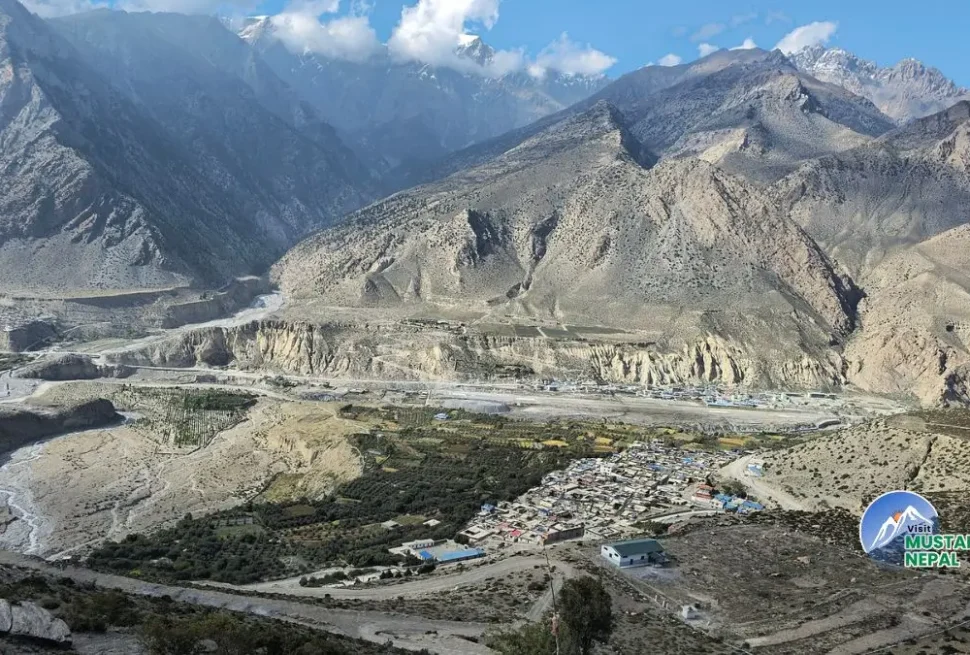
Muktinath is located in Mustang District of Nepal, within the Annapurna Conservation Area. It lies at the base of the Thorong La mountain pass, one of the highest trekking passes in the world.
- From Kathmandu: Approximately 380 km
- From Pokhara: Around 170 km
- From Kagbeni: About 15 km
Muktinath sits in a remote Himalayan region, and its location can be clearly seen on a Muktinath Nepal map, showing its connection to popular trekking and pilgrimage routes.
Muktinath Temple and Its Deity
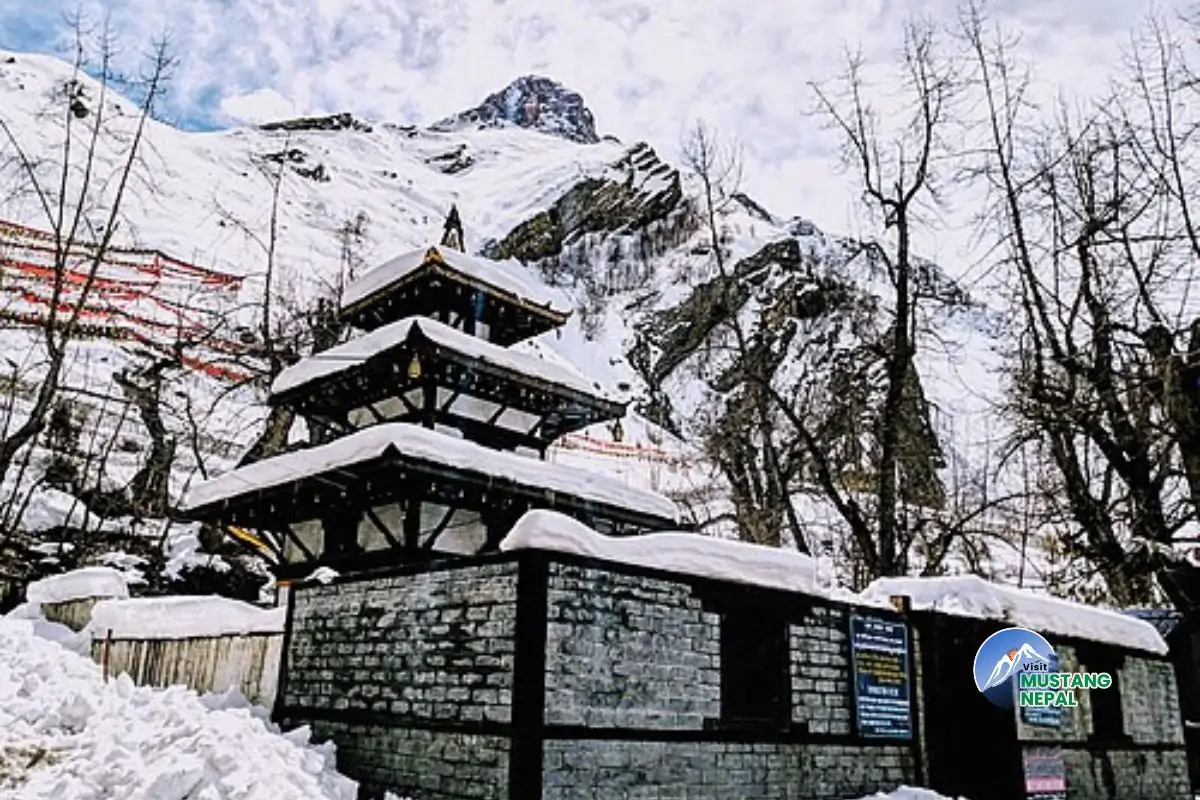
The main attraction of Muktinath is the Muktinath Temple, dedicated to Lord Vishnu, who is worshipped as Muktinath (God of Liberation).
This temple is sacred to both:
- Hindus, who believe bathing here washes away sins
- Buddhists, who call it Chumig Gyatsa (Hundred Waters)
One of the most unique features of the temple is:
- 108 water spouts, where pilgrims take a holy bath
- The eternal flame, which burns naturally alongside flowing water, symbolizing divine power and mystery
Weather, Altitude, and Temperature of Muktinath
Muktinath Temple is located at an altitude of 3,800 meters (12,467 feet) above sea level, making it a high-altitude destination.
- Temperature: Cold throughout the year, often below freezing in winter
- Weather: Dry and windy, with clear skies in spring and autumn
Because of the altitude, visitors may experience altitude sickness, so proper acclimatization is important.
What is the Best Time to Visit Muktinath Nepal?
The best time to visit Muktinath Nepal is during spring and autumn.
Ideal Months
- March to May (Spring)
- September to November (Autumn)
Weather Conditions
During these months, the weather is stable, skies are clear, and travel routes are more accessible. Winter is extremely cold, while the monsoon season can make roads slippery and dangerous.
Book your Muktinath tour package here.
Culture and Traditions of Muktinath Nepal
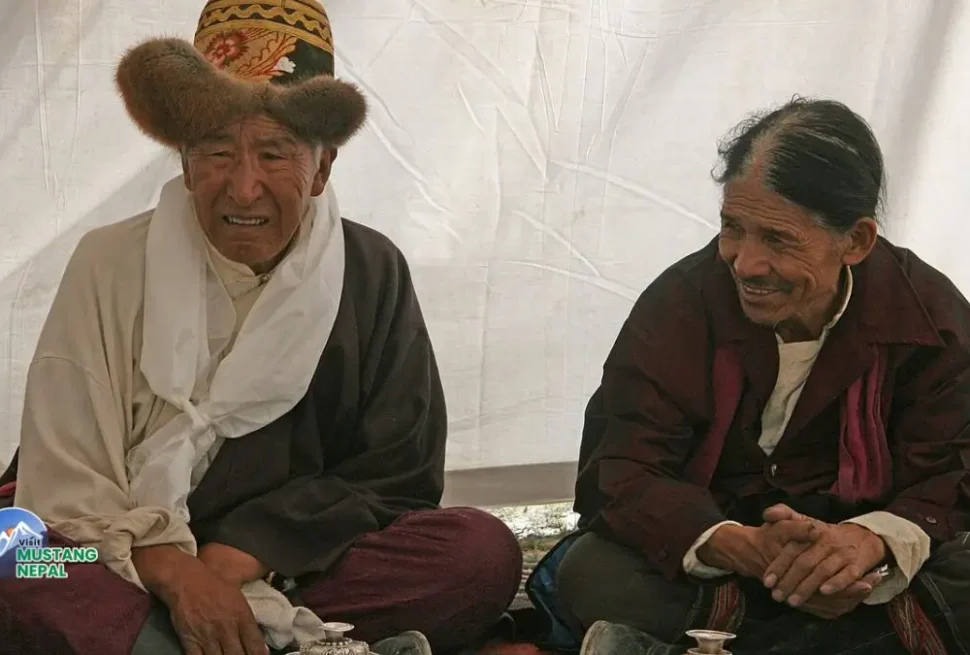
Muktinath reflects a beautiful blend of Hindu and Buddhist culture. Local people follow traditional lifestyles influenced by Tibetan Buddhism.
Prayer flags, monasteries, and religious rituals are common sights. Festivals, pilgrimages, and daily prayers show how deeply religion is rooted in the culture of Muktinath.
Upper Muktinath Trek
The Upper Muktinath Trek is popular among adventure seekers and spiritual travelers.
Trekking Routes
- Kagbeni to Muktinath
- Jomsom to Muktinath
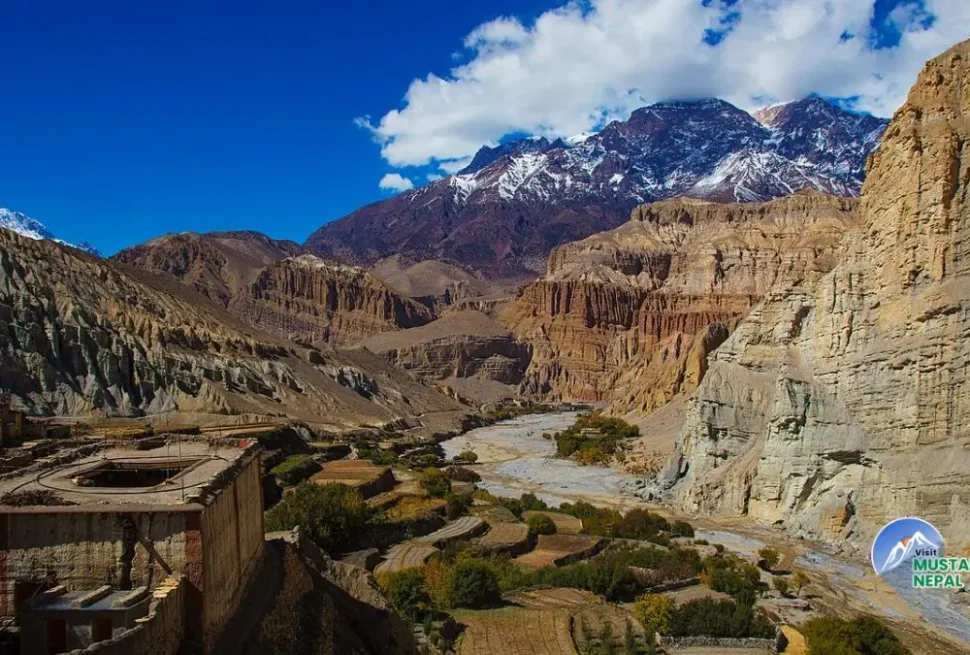
Scenic Highlights
- Snow-covered Himalayan peaks
- Kali Gandaki River
- Ancient villages and monasteries
The trek offers a perfect mix of natural beauty and spiritual experience.
Photo Gallery: Muktinath Nepal Photos
Muktinath Nepal photos capture breathtaking landscapes, sacred temples, prayer flags, and mountain views. These images showcase the peaceful and mystical atmosphere of this holy place.
Conclusion
Muktinath, Nepal is more than just a destination—it is a spiritual journey. With its sacred temple, mysterious natural elements, rich culture, and stunning Himalayan scenery, Muktinath continues to attract pilgrims and travelers alike. Whether for faith, adventure, or peace, Muktinath truly represents the sacred mystery of the Himalayas.
Why Book a Muktinath Tour With a Visit to Mustang, Nepal?
we are a experienced travel agency in Nepal, with more than 10 years of experince.
Read more about us.
How hard is muktinath trek?
Not to hard